ISLAMABAD: As the global fuel crisis intensifies amid the US-Israel-Iran conflict, countries including Pakistan are accelerating plans to transition towards renewable energy, nuclear power, and electric vehicles (EVs) to reduce dependence on oil.
Disruptions in the Strait of Hormuz—through which nearly 20% of the world’s oil and LNG supplies pass—have driven crude prices above $100 per barrel, with petrol in Pakistan crossing Rs300 per litre. The surge has triggered widespread economic strain, forcing reduced office operations and closure of educational institutions.
With fuel shortages worsening, EVs and e-bikes have emerged as practical alternatives, offering cost-effective mobility without reliance on petroleum products.
China has played a key role in supporting Pakistan’s energy diversification through investments under the China-Pakistan Economic Corridor, contributing over $20 billion to the energy sector. These efforts have expanded Pakistan’s power generation capacity to 46,605MW by FY2024-25.
Thermal sources still dominate with 55.7% share, followed by hydropower at 24.4%, renewables at 12.2%, and nuclear energy contributing 7.8%. China has supported multiple renewable projects, including wind, solar, and hydroelectric plants with a combined capacity of around 5,000MW.
Key projects include the Quaid-e-Azam Solar Park and several wind farms such as Dawood, UEP, Sachal, and Three Gorges, alongside major hydropower developments.
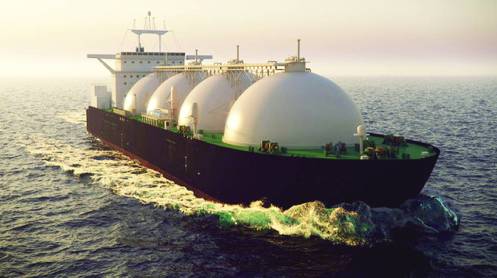
Meanwhile, LNG supply disruptions have added to the pressure, with QatarEnergy declaring force majeure and rerouting cargoes due to the conflict. Oil imports have also faced hurdles as shipping routes remain uncertain.
Amid these challenges, global momentum is building towards cleaner energy systems. Companies like BYD have already entered the Pakistani market, signalling a growing shift towards electric mobility.
Experts believe the ongoing crisis could accelerate a long-term transformation in global energy systems, pushing countries to prioritise sustainability, energy security, and reduced reliance on fossil fuels.
Story by Zafar Bhutta